Julie’s Bicycle and Arts Council England have published a new report, Culture, Climate and Environmental Responsibility, which shows the progress made by organisations.
“This year’s findings show organisations across England accelerating environmental action at scale,” stated the report. “From governance to creative programming, from operational practice to community collaboration, cultural organisations are embedding environmental responsibility into the heart of what they do.”
This year’s report showcases a creative and cultural sector helping to shape national narratives, community engagement and public awareness around climate justice and sustainability, according to the two bodies behind the report.
Organisations reported record levels of environmental engagement:
– 93% have an environmental policy
– 88% have an environmental action plan
– 86% integrate environmental principles into core strategies
– 73% produced or programmed work exploring environmental themes
– 71% collaborate with others to share climate solutions
– 70% took steps to reduce energy use and improve efficiency
These statistics, collected via Julie’s Bicycle Creative Climate Tools Beyond Carbon survey, highlight the progress in terms of environmental practice across the arts and cultural landscape.
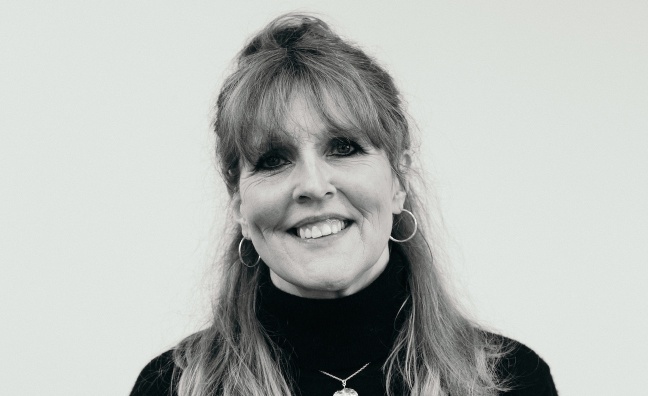
Alison Tickell (pictured), Founder & CEO, Julie’s Bicycle, said: “This report is a celebration of cultural leadership in action. Over the last decade, we’ve seen the sector move from early ambition to embedded practice – and this year’s findings show that environmental responsibility is now part of the cultural DNA. With more than 70 stories of change, organisations across England are demonstrating how creativity can accelerate climate solutions, strengthen communities, and shape a fairer, greener future.
“We’re incredibly proud of the sector’s commitment and of the legacy Julie’s Bicycle and Arts Council England have built together over 12 years – a partnership that continues to support creative and cultural organisations to act with courage, imagination and care.
Over the last decade, we’ve seen the sector move from early ambition to embedded practice – and this year’s findings show that environmental responsibility is now part of the cultural DNA
Alison Tickell
Nicola Saunders, director environmental responsibility & innovation, Arts Council England, said: “We’re delighted that so many organisations reported their environmental data through the free to access Creative Climate Tools. This rich data has enabled us to create this impactful report with Julie’s Bicycle. Alongside insights on environmental data, the report shares many inspirational stories of action and change – that evidence how organisations are integrating environmental responsibility into every part of their processes, operations, and creative practice.
“Although the creative and cultural sector accounts for a small proportion of the UK’s total greenhouse gas emissions, its ability to influence audiences and communities, shape public attitudes and drive behaviour change, mean that arts and cultural organisations have a powerful role to play in championing climate action. Arts Council is proud to be supporting the sector through our Environmental Programme.”
Key findings from the 2024-25 report include:
– Main sources of reported emissions: audience travel, energy use, materials, and waste
– 70% improved energy efficiency
– 83% promote low-carbon public transport to audiences
– 55% purchase locally/ethically sourced food
– 77% use lower-carbon materials in creative work
Governance & Leadership
– 67% now have a board-level environmental champion
– 85% discuss environmental performance at senior management level
– 76% use pension funds aligned with environmental values
Creative Practice & Community Engagement
– 73% programmed work exploring environmental themes
– 32% collaborated with communities most affected by climate change
– 71% collaborated with other cultural organisations to find and share climate solutions
Value & Impact
– 46% reported financial benefits
– 42% reported reputational benefits
– 62% reported increased team wellbeing
– 64% used their environmental policy in funding applications
PHOTO: James Allen
 FOLLOW