Warner Chappell Music has continued its ongoing partnership with Gloucester-based charity The Music Works, supporting its mission to develop emerging talent in a recent industry takeover event. The two-day event included masterclasses, A&R and sync panels, as well as a songwriting camp that brought Warner Chappell writers together with artists from the charity’s programme.
The collaboration forms part of Warner Chappell UK’s wider commitment to regional talent development across the UK.
"We are committed to identifying, developing, and championing the next generation of brilliant songwriters, and by working with an amazing organisation such as The Music Works, we are able to tap into some of the phenomenal talent that is coming out of Gloucestershire and the surrounding area,” Warner Chappell Music CEO and co-chair, Guy Moot, told Music Week.
The Music Works supports disadvantaged and underrepresented young people starting out in the industry through one-to-one music mentoring, small group work, accredited training, apprenticeships and internships, festivals, events and artist and career development in Gloucester.
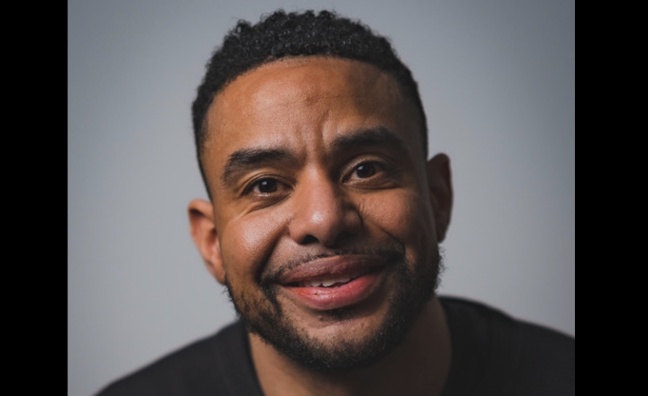
The organisation is now led by CEO Malaki Patterson, one of its co-founders who has played a key role in shaping its artist support programmes.
“Growing up in Gloucester, I experienced the massive disconnect between formal music education and the creative expression that resonated with me and my peers. The school system simply wasn't equipped to nurture the kind of musical development I needed,” he said. “What drives me now as CEO is the conviction that talent is everywhere, but opportunity isn't, and that we have a responsibility to change that reality.”
Moot, who was also born and raised in Gloucester, noted the particular importance of this kind of regional focus to him.
“Having been born and raised in Gloucestershire, I'm delighted there's an organisation like The Music Works that understands the needs, aspirations, and challenges of emerging creatives in the region," he said. "They provide outstanding facilities and programs tailored to those needs, and I believe what they've built should be used as a template for what can be done in the parts of the UK that are less connected to major cities.”
He added: “We've worked with The Music Works for a number of years now, and by partnering on industry takeover days like this, we are creating genuine, tangible pathways for promising musicians and building bridges that connect raw talent with industry knowledge, resources, and real-world opportunities. It's this combination of local expertise and shared passion that makes our collaboration so important."
Here, in an exclusive Q&A, we meet up with Patterson as he looks back on his journey through the industry so far, discusses the biggest challenges facing emerging artists and business talent today, and holds court on why the industry must continue to invest in talent development across the country…
As the new CEO of The Music Works, how are you finding the role?
“I'm really settling into the role. Previously being its artistic director and one of the co-founders, it feels like the right thing to be leading the charity, especially being born and creating a career here in my hometown. There's something powerful about leading change in the same community where you personally experienced the barriers and challenges. The Warner Chappell Music takeover event we just hosted exemplifies exactly what I've always envisioned for Gloucester, bringing industry opportunities directly to young emerging talent rather than forcing them to navigate the same difficult path I had to forge.
“My journey was entirely self-directed out of necessity. When I started as a producer, every step forward required teaching myself a new skill. If I wanted artists on my tracks, I needed to learn how to record them, so I bought a mic and taught myself engineering. When it came to releasing music, there was no infrastructure to support independent artists in Gloucester, so I pressed vinyl myself and negotiated sale-or-return deals with local shops. To build an audience, I started promoting and putting on shows, creating platforms for talent that the established music scene was overlooking.The journey from those first community sessions to co-founding The Music Works as a music leader evolved organically from my determination to address the gaps I'd experienced firsthand.”
There's something powerful about leading change in the same community where you personally experienced barriers
Malaki Patterson
How important are events like The Music Work’s Warner Chappell Music takeover in increasing the accessibility for young people into the business now?
“They are critical for providing access to the music industry, particularly for young people from regional areas like Gloucestershire who may not otherwise ever gain access to these opportunities. We structured it to go beyond the usual conference format of passive listening. We had incredible panels on publishing, sync opportunities, and A&R insights with industry professionals, but what added to the event was the direct engagement, the A&R listening sessions where young artists received immediate and direct feedback on their work, and the songwriting camp where our talent collaborated with industry professionals on real briefs. I've witnessed firsthand how these events change trajectories. When an A&R executive from a major publisher like Warner Chappell gives constructive feedback to a young songwriter from our programme, it's not just about the technical advice, though that's invaluable, it's about that young person realising their creative ambitions are valid and achievable, that there are pathways available to them regardless of their postcode. So these events aren't just important, they're essential in creating a more equitable, accessible music industry that discovers and develops talent from all backgrounds and regions, not just those with existing privilege or proximity to the bigger cities.”
And what are your thoughts on how essential partnerships like The Music Works and Warner Chappell are in fostering upcoming creatives as well as business talent?
“They are important because they bridge two worlds that too often operate in isolation. On one side, you have incredible creative talent developing in regions like Gloucestershire, young people with authentic voices and fresh perspectives. On the other, you have established industry executives with the infrastructure, expertise, and connections to elevate careers. The gap between these worlds is what prevents many promising creatives from reaching their potential. But what's often overlooked is how these partnerships develop the next generation of music business professionals as well. Not everyone who comes through our doors at The Music Works will become an artist or songwriter, many will find their calling in A&R, artist management, events, marketing, publishing. When young people observe professionals from Warner Chappell discussing sync opportunities or the publishing landscape, they're not just learning about how to monetise their music, they're seeing potential career paths they might never have considered. We need diverse business talent, people who understand both the grassroots creative communities and the commercial realities of the industry. I know successful music executives who started their careers in smaller creative hubs before bringing that understanding to major companies.”
From your perspective, what are some of the biggest challenges facing young people wanting to get into the music business right now?
“The challenges facing young people are numerous and complex, and many of the most significant barriers aren't being addressed openly enough. First and foremost, there's the persistent geographical gap. Despite all the talk about digital democratisation, the UK music industry remains heavily London-centric. Connected to this is the increasingly economic barrier – the cost of living crisis has a massive impact on emerging creatives. We're seeing young artists and aspiring music business professionals unable to sustain themselves during those critical early career years. The traditional path of ‘move to London, take an unpaid internship, and hustle’ is simply not viable for most, especially those without family financial support – economic circumstances are filtering out diverse talent before they even get started.
“What's also not being talked about enough is the mental health toll of today's music landscape. Young creatives face unprecedented pressure to be great at their craft, but also be their own marketing departments, social media managers and business strategists. The expectation to constantly create content across multiple platforms while developing their music is creating burnout before careers even properly begin. Then there's education, which is another critical issue. Traditional music education rarely addresses the business realities of creative careers, while music business courses often lack connection to current industry practices. The speed at which the industry evolves means that educational approaches need to be more nimble and connected to real-world practice.
“Perhaps most significantly, what's not being discussed enough is the sustainability crisis in early-stage artist development. With traditional labels focusing increasingly on artists who've already built momentum, there's a growing gap in who nurtures talent from genuine beginnings. Organisations like The Music Works are filling this gap, but we need a more systemic approach to ensuring diverse talent can be discovered and developed regardless of background or location. The lack of long-term funding presents one of our greatest challenges in delivering strategic artist development. While we've successfully secured support for individual projects and programmes, the short-term nature of most arts funding makes it difficult to build the sustained, multi-year pathways that emerging artists truly need to develop. Young artists require consistent support, but the current funding landscape often forces organisations like ours to piece together shorter interventions rather than comprehensive development programmes.
“All these challenges are why it's so important to partner with a company like Warner Chappell. Guy Moot, Shani Gonzales, Amber Davis and Susie Woodbridge have been a massive support and are helping us bridge the gap. We want to replicate this partnership with companies all across the industry.”
Having been born and raised in Gloucestershire, I'm delighted there's an organisation like The Music Works that understands the needs, aspirations, and challenges of emerging creatives in the region
Guy Moot
You have spoken about how, growing up in Gloucester, you didn't have access to many musical opportunities. What are some sustainable measures that can be put in place to see long-term, sustainable support for aspiring creatives and industry talent outside of London?
“Growing up in Gloucester, the lack of musical infrastructure and industry pathways wasn't just a challenge, it was a barrier. When I reflect on my journey compared to what's available for young people in our region today, I do see meaningful progress; digital tools have democratised production and distribution and organisations like The Music Works provide studio access, mentoring, and development opportunities that didn't exist when I was coming up. Our Warner Chappell Music takeover event, bringing industry leaders directly to Gloucestershire, would have been almost unimaginable a decade ago.
“But we're still nowhere near where we need to be. We need to build permanent regional infrastructure, not just physical spaces like studios, but complete ecosystems including industry expertise, business support, and professional development. We're working to create that in Gloucestershire and the wider region at The Music Works, but we can't do it alone. We also need to fundamentally shift how success is measured in music industry development – rather than focusing solely on commercial outcomes, we need to recognise the value of building sustainable regional music economies that provide multiple entry points and career pathways.”
Finally, can you tell us about some exciting projects or initiatives The Music Works has coming up?
“We're launching a new round of recruitment for our Creative Careers programme 'Upsurge', a year-long talent development initiative for emerging artists and creatives. The programme provides mentoring, industry knowledge, studio access, masterclasses, and a budget to help participants develop their work. It's designed specifically for young people aged 18-30 based in Gloucestershire who are looking to pursue a career in the music industry. We're also partnering with High Rise Theatre and Gloucester Guildhall to present Lil Miss Lady on May 31 – an immersive performance exploring Grime's history through a female MC's perspective. As part of the show, we will feature young emerging female MCs and rappers performing on the night who will also be involved in the participatory elements of the theatre show.
“We also have another exciting upcoming project with Warner Chappell, which will be another significant step in creating direct industry pathways for talent we develop. All these initiatives run alongside our regular weekly open access drop-in sessions and targeted music mentoring, which provide accessible entry points for young people across the county regardless of background or experience.”