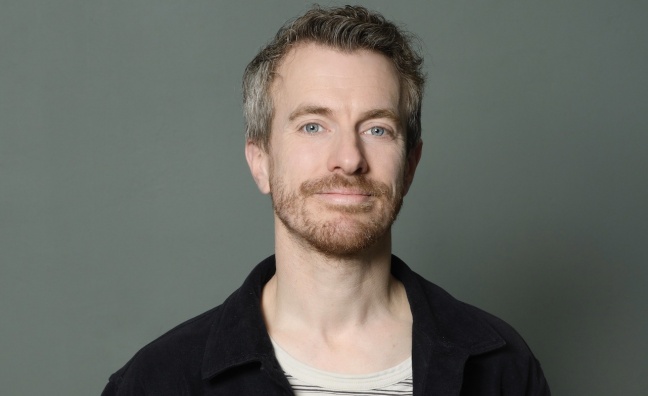
The following op-ed comes from DawBell’s head of music James Windle. The leading PR firm scored two nominations at the Music Week Awards this year (for Dua Lipa and Oasis), and won the award in 2023. Earlier this year, DawBell co-founders Rich Dawes and Stu Bell were also named the No.1 entertainment PRs by PR Week. Here, James Windle argues why the industry needs to lean harder into the art of storytelling than ever before…
As everyone knows, publicity on its own doesn't sell records. Traditional circulations are down year-on-year, and opportunities for music and culture are becoming fewer and further between. The landscape is more fragmented than ever, and there is no magic bullet bit of press anymore. Long gone are the days when a front cover or 5* review would sell you 400 tickets and get you to top of the pile for discussion in playlist meetings.
So why is PR and publicity more important than ever? The answer is storytelling. The depth in connection that carefully telling an artist's story achieves is more impactful, and also harder to get right, than ever. Viral hits from TikTok or a well placed sync can propel a song to success, but that does not equate to the listener deepening their relationship with an artist beyond that track, or spending money on merchandise or buying tickets or vinyl. That's the emotional connection that carefully curated PR can build, and that's why, in and amongst all the noise and visual junk food amongst the doomscrolling and clickbait, a story and an emotional connection needs to pop. And be authentic and compelling.
At the beginning of each press campaign, a PR will work closely with their client to determine what success looks like – sometimes it's a carefully targeted less-is-more approach. Sometimes – less so now – it's a pure volume game. Sometimes protection needs to come to the fore – reputation can burn quicker than ever in the high speed, click-led world where fact doesn't always reign supreme.
Last month, Pink Floyd at Pompeii MCMLXXII debuted at No.1 on the UK albums chart – Pink Floyd’s first UK chart-topper in over a decade. This was a big moment for the band, and also a proud moment for us at DawBell, as the campaign marked the company’s fourth No.1 album of 2025, following two with Elton John (Diamonds, his Ultimate Greatest Hits, and a surprise duet with US superstar Brandi Carlile) and a recent win with Stereophonics Make 'Em Laugh, Make 'Em Cry, Make 'Em Wait. Pink Floyd at Pompei MCMLXXII also shone a light on the way that long-form documentaries are an increasingly impactful way to tell a band's back stories in compelling ways. This wasn’t a way many new fans had ever seen Pink Floyd before. Smart traditional PR, on-shelf visibility and short-form content all drove back to the concert film as our hero long-form piece.
PR alone doesn’t send a record to No.1, but it can set the tone. It builds a narrative. It gets people to pay attention and care. Good PR takes the music, the story and the artist’s values and reputation and turns it into something that super fans, lapsed fans and future generations want to engage with and give their scarce time and attention to.
It really does feel like we’re living through a golden era for creative storytelling
James Windle, DawBell
Elton John and Brandi Carlile’s Who Believes in Angels? is a recent example of a campaign built on these principles that we’re really proud of. Elton's impact on the world can't be underestimated – but even by the elevated standards of his pop culture defining reign, he had an incredible few years – a record breaking Farewell tour, bestselling memoir, biopic, and chart topping single. One of the missing parts pieces of the jigsaw during this prolonged period of celebratory activity was a studio album to stand shoulder to shoulder with his very best. Who Believes in Angels? was written and recorded in just 20 days – a creative whirlwind that was documented in emotional behind-the-scenes content and searingly honest in a way few can achieve.
This all gave us an incredible story to tell, and we were able to show the fans the intense creative process Elton and Brandi had been through. The footage captured Elton and Brandi at their most vulnerable, so we were able not just to tell people why the album existed, but to show them why it mattered and deserved attention. Alongside the video content – both short and long-form – traditional press and gatekeepers were also an essential part of the process in raising pre-release excitement and awareness and spreading the word about this truly special and unexpected artistic triumph.
As with both Who Believes in Angels? and Pink Floyd at Pompeii, successful campaigns live across multiple formats. Shareable shortform and immersive long-form aren’t an either/or, they are both essential. We’ve all seen viral moments on TikTok, such as the dance routine to Charli XCX’s Apple, but these past few years have also seen audiences embrace long-form content – not only on YouTube and on demand TV, but also in the form of biopics and documentaries.
With recent projects such as A Complete Unknown, Becoming Led Zeppelin and Pharrell’s Piece By Piece it really does feel like we’re living through a golden era for creative storytelling. These projects help introduce artists to entirely new audiences who may have no prior exposure to their work. They create context, credibility and curiosity, and engage a whole new, streaming-first audience.
The truth is, modern PR means stitching together formats, platforms and audiences. Video content. Press features. Influencer seeding. Social-first roll-outs. Fan-first moments. Well timed and managed reviews. You need it all working in sync. You can’t do this with one press release and a couple of interviews anymore. At DawBell, we approach it as a 360-degree proposition; continuous storytelling, not just campaign bursts. Success in 2025 means understanding not only who the audience is, but where they live and how they consume. Then giving them a reason to engage, again and again.