Jonathan Rothery, head of BBC popular Music TV, has spoken to Music Week to outline the plethora of opportunities for artists across the broadcaster’s channels.
In the latest edition of Music Week, we speak to TV and promotions execs about the key broadcasting slots for performance. And we looked at the arrival of Saturday Night Live UK and how it can provide British artists with a major new platform for music with a high-quality live performance. Wet Leg, Wolf Alice and Kasabian are the first acts to take advantage of the UK version of the US comedy show.
While execs identified commercial broadcasters’ key shows such as SNL UK (Sky One), Sunday Brunch (Channel 4) and The Jonathan Ross Show (ITV), the BBC provides the lion’s share of artist slots across both dedicated music formats (such as Later… With Jools Holland) and entertainment series with consistently high ratings including Strictly Come Dancing and The Graham Norton Show.
Crucially, the BBC TV platforms provide performance opportunities that can also be amplified across YouTube and social media. The broadcaster is also on hand with comprehensive coverage at regular moments in the music calendar, from festivals to awards ceremonies including last week’s MOBOs.
The festival season is already underway on the BBC with the 6 Music Festival, leading into BBC Radio 1’s Big Weekend in Sunderland next month. Radio 1 has its own BRIT List platform to help push developing acts across the station and the wider BBC, while Radio 2 recently ran the fifth edition of Piano Room Month including Pulp, Tori Amos, Darius Rucker, Jessie J, Macy Gray and Laufey, which also featured on BBC iPlayer.
With the absence of Glastonbury due to a fallow year in 2026 that could open up new possibilities for music coverage in its place. Other developments include the BBC working with YouTube on online shows, although it remains to be seen if music is in the mix. The corporation also faces financial pressures with plans to cut costs by around 10% over the next three years, including up to 2,000 jobs going across departments.
Here, Jonathan Rothery discusses the crucial platforms for new music, how different BBC channels can link up on a campaign and why broadcast quality television will always be superior to a social post…
Outside of the big live music events, what are the key opportunities for artists in terms of performance or appearances on BBC TV?
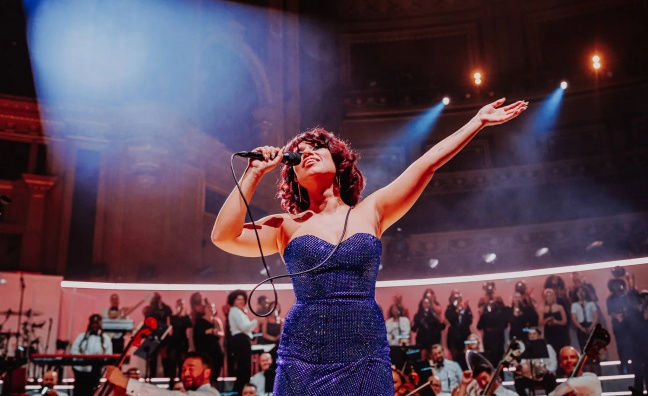
“Aside from our busy season of festivals, we have a consistent creative calendar of returning brands and series which provide opportunities for performance slots – two series of Later… With Jools Holland, Radio 1 and 1Xtra Live Lounge, Radio 2 Piano Room, Radio 2 and 6 Music In Concerts and Other Voices in Wales and Ireland. There are also award shows we broadcast like the MOBO Awards and the Mercury Prize. In addition, we also acquire special concerts like Raye At The Royal Albert Hall (pictured). Outside of my remit there are other performance slots across the BBC – Strictly Come Dancing, Graham Norton and The One Show as well as bespoke entertainment events.”
The BBC’s remit and appetite for music has never wavered
Jonathan Rothery
How influential are the longstanding platforms including Graham Norton, Later… and The One Show for artists? How does BBC Music help to amplify those performances on social media and other platforms?
“In a world of music and content proliferation, these slots are a way to reach the millions of eyes and ears of the mainstream at one moment in time on linear TV, and then on top we have BBC iPlayer, reaching a huge audience both live and on catch-up. It can considerably move the dial for both established and up-and-coming acts. We also work hard to cross-promote artists and acts across video and radio – a performance on Later… With Jools for instance has a good chance of being played on Radio 2 or 6 Music.”
What role does BBC Music play in artist performances across the TV networks? How do you get involved in bookings and discussions?
“Our TV team take a collaborative approach internally with the heads of music for the radio networks, as well as with independent producers across our busy slate, starting with Piano Room Month in February, spanning through to our two New Year’s Eve shows. We also keep close contact with labels, managers and pluggers to know who’s coming round the bend.”
British music has seen a revival in terms of UK and international chart success with the likes of Olivia Dean, Lola Young, Harry Styles, Myles Smith, Raye and more. Does this mean there is a greater appetite for music on BBC shows and one-off specials?
“We are heading into another fruitful period for UK artists. All the names mentioned have partnered with the BBC since day one, whether that is from filmed BBC Introducing performances at Glastonbury, appearances on Later…, Live Lounge moments, headline slots at Radio 1’s Big Weekend or their own dedicated At The BBC show. The BBC’s remit and appetite for music has never wavered, regardless of which location is currently hot.”
I had real concerns for the value of music TV at the time of the rise of social media and on-demand platforms, but we’ve seen a real renaissance within the last five to six years
Jonathan Rothery
What are the challenges for music as a feature of entertainment TV? At a time of fragmented media, what are programme makers looking for when it comes to artist appearances?
“If you’d asked me 10 years ago, I had real concerns for the value of music TV at the time of the rise of social media and on-demand platforms, but we’ve seen a real renaissance within the last five to six years. This is partly due to the continued consistency and quality of BBC’s ability to tell music stories for broad audiences. From weekly BBC Four and BBC Two themed music nights to our scaled returning music moments on BBC One, we have music on TV every week without fail.
“The rise of social media and music streaming has allowed the cream of the crop of popular music to rise to the top; people often don’t care if an artist is 18 or 81. We need artists to want to continue engaging with our platforms and opportunities. I’m seeing a change in artists’ perceptions that a social post is the best form of promo, to realising that a quality capture of a performance or a documentary with journalistic integrity on a mainstream broadcaster can shift the dial for them in a much bigger way.”
Subscribers can click here to read our special report on TV promotions opportunities.
PHOTO: Raye performing at the Royal Albert Hall (credit: Luke Dyson), released as the My 21st Century Blues live album
 FOLLOW