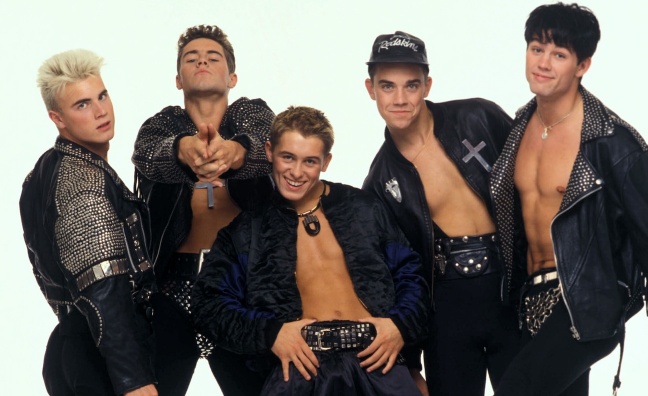
Take That’s new documentary is a hit on Netflix, where it’s been at No.1 on the streamer’s UK rankings following its release this week.
The three-part series, directed by David Soutar, includes a wealth of archive from the band as it tells the story of their ’90s breakthrough and beyond – from the inauspicious start of playing school assemblies, to their pop pre-eminence, the group split and their rebirth in the noughties.
The band – now a three-piece – are building up to the return of The Circus tour in the summer. There’s also set to be a new as-yet-untitled album in 2026 (made available to pre-order as part of the tour pre-sale last year).
But the documentary is unapologetically nostalgic, featuring 35 years of rare archive, personal material and new interviews with Gary Barlow, Howard Donald and Mark Owen.
“I'm hoping this does really well,” said Gabe Turner, executive producer and co-founder at Fulwell Entertainment. “I think it's a really beautiful story.”
Here, he opens up about Take That’s enduring legacy, the treasure trove of archive and the band’s support for the documentary...
How did this new Take That documentary series come together?
“They've always been very present in the national conversation to a degree, and we've done quite a bit of work with Take That. But until recently we hadn't really thought that there was this big three-part streaming play to be done, because we've seen so much of their story over time on the BBC and ITV. But then we discovered that the boys had these tapes, they came in with this IKEA bag full of digi beta and VHS tapes that Howard had been filming, along with the rest of them, just on the journey [of their career]. So once we digitised and listened to the tapes, we were like, ‘this really takes you back to being in the moment’. There's a beautiful film here to remind everyone how big they were, and how big they then became again – arguably bigger than they were.
“It felt like a really unique story, because we couldn't think of another band who were massive in the ’90s and then came back and then were bigger or had songs that were bigger the second time around, we couldn't really think of another band like it. We had this treasure trove of tapes, and because of the tapes you can really live in the story. You don't need loads of talking heads or loads of outside voices. You can just live in the moment, and watch what happened. It felt really satisfying to see. David Soutar, the director, and Alex Emslie the series producer, have done a fantastic job, it's a special film.”
They have been raw and honest and open with us, and really given us the honour of telling their story
Gabe Turner
So it’s not a traditional documentary with a range of voices?
“It's all in the boys’ words, there's no interviews outside of the band. It all lives in the archive. We interviewed the current band, the three of them, not in picture, but in sound. Because you've got all of these old interviews over 35 years, but you need certain bits to staple it all through. But it's all archive. You see them right at the end as the story follows them up to now, but there's no traditional interview set-ups, or anything like that. I just think it's a really beautiful piece of work. So I'm really excited for it to be out. And credit to the guys that they've been raw and honest and open with us, and really given us the honour of telling their story and let us crack on. We hope we've done it justice.”
How did you approach telling their story?
“It's a linear story in that, a lot of time when you're doing these, you have the two timelines. This is just a linear story, we go and tell the story, and we've got enough archive to be with you whilst you're telling the story. So you sort of transport yourself back. And it's them in their own words. You want us to put a lens on the story, but really you want them to say who they are, what they're about, and what it was like. And so we really tried to lean into that.”
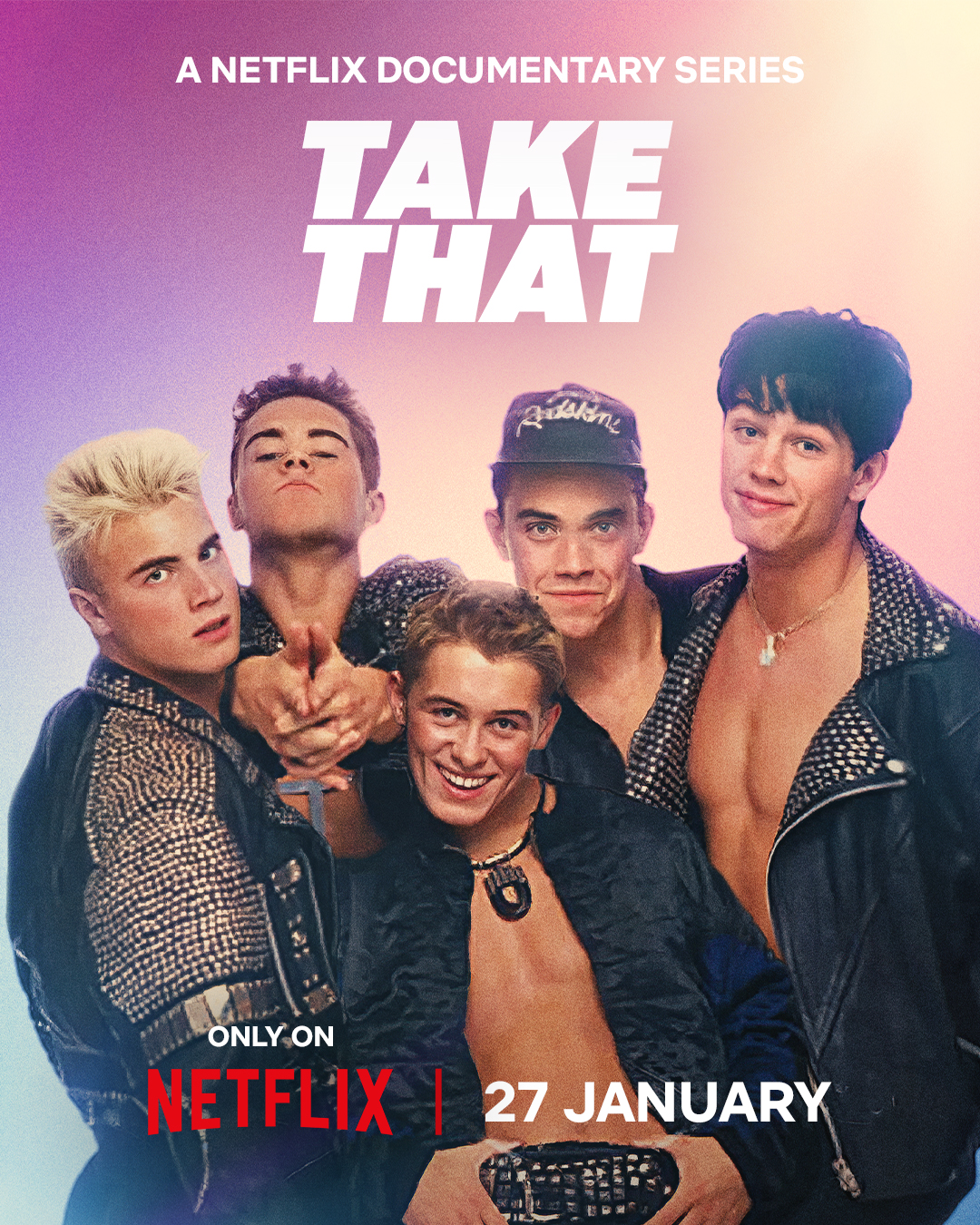
Does the whole narrative – success, break-up and revival – lend itself to a Netflix series?
“Yeah, as I said, because we’ve worked with them a fair bit and they've done a lot of stuff, they're very present in British culture and have been for years. I'm not sure they thought that a three-part massive Netflix thing was on the table – ‘Do people not know most of our story; is this not a story well told?’ But actually, when you do something comprehensive, the fact that you've done lots of other bits before doesn't necessarily take away from that. If anything, it supports that. Because you go, ‘oh I remember that bit, and I remember when I was there and I remember when you did that’. So the audience feels more invested in the story.
“From a filmmaker's point of view, it felt like there was that unique perspective. There are loads of music docs but what made this so unique was the two waves of it. The fact that they were massive in the ’90s, and even bigger when they came back and reformed. They didn't just do the greatest hits tour, they did a whole new body of work. I think some of those songs were bigger than the first [iteration of Take That], so that was the really unique thing about their story, that they had had that double hit at success that's so unheard of. It is crazy, because originally we pitched two parts – birth, rebirth – to mimic those two phases, but the story was just so rich. There was so much stuff we just couldn't get it into two parts.”
Where does this documentary fit in their 2026 campaign?
“I think they're bringing music out later in the year. Sometimes when these opportunities come, they come as part of promo for a new bit of work. That's not what this really was. I think there is going to be an album, but that wasn’t the motivation for making it. They've got the Circus Tour coming up, they're very active. They have always been active as a three-piece. But the motivation wasn't based around the next phase of work. The opportunity arose through various conversations. Wouldn't it be good to do this? And then it was like, well, let's do it. Let's not worry about when this comes out or when that comes out, because they're always doing something. It was more like, actually, if the opportunity arises that we can definitively tell the story, let's do so.”
That school footage is fantastic – no one really knew what was going on, including the band, and they're very funny about that too
Gabe Turner
Are there surprises in those old tapes you unearthed?
“We live in the tapes, we live in their footage. Howard filmed a ton of stuff. So we take you back with that footage that they gave us, plus all the archive that exists out there, the various docs they've done before, behind the scenes and music videos. There's loads of content with them out there. The real beauty is these tapes, in which you feel the vibrancy of their youth, you feel the rise and what it was like to do it.”
Where did you find the footage of them playing at school assemblies in the early days?
“It was from these tapes. That school footage is fantastic. When we saw that, we just couldn't stop laughing. The teacher at the back trying to get people up. It was amazing – no one really knew what was going on, including the band, and they're very funny about that too. We have two amazing editors on this as well who cut the three episodes, Livia Sherpa and Jamie Tucker, and I think they just had the time of their lives. You're always desperate for a treasure trove of archive. That's really what gets everyone excited when looking at a new project."
It feels like an uplifting documentary….
“We got lucky because we just had this archive where you could just go – look, see for yourself. This is what it was like for them. When we looked at the footage, they just seemed to be really vibrant and happy. In episode two, they do talk about how hard it was dealing with that level of fame and the band breaking up, and that's really tough. They all go through a really tough time, and watching that episode was really painful for them – it's heavy. But, ultimately, when they get back and then they go again… I think the highs for them have outweighed the lows. You’d have to ask them, but I think that comes across in the film.”
All three episodes of Take That are now available on Netflix.
 FOLLOW