The consultation on secondary ticketing has launched with the government seeking industry views on a resale cap from zero up to 30%.
Some in the sector are already calling for the cap to be at the lower end of that range.
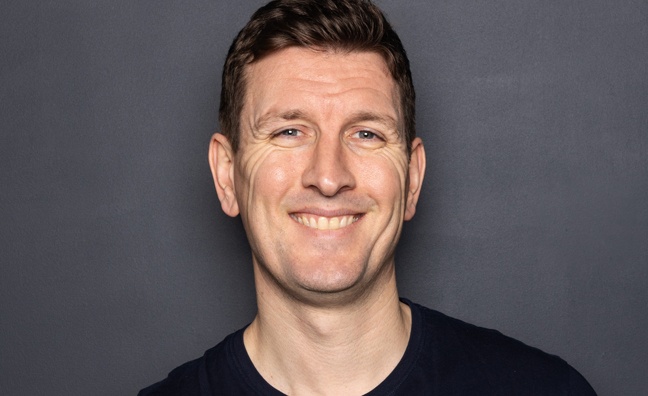
Here, Gareth Griffiths, director of partnerships & sponsorship at O2, explains why in his view a 10% cap would be a fair solution to the issue of profiteering in the secondary market…
We welcomed the UK government launching its long-awaited consultation on the secondary ticket market, which vows to put fans first by making a series of crucial reforms, including introducing a cap on the excessive prices resellers can charge above face value.
With the government now asking for views, we’re calling for a 10% cap on ticket resales to be enacted – a measure that will see the UK take a clear stand and ensure touting is no longer a viable, lucrative profession.
For far too long, touts have thrived online, leaving fans with the impossible choice of either missing out on their favourite artists or being forced to pay extortionate prices via resale.
Our research has found that online touts are costing music fans an extra £145 million per year. This is money not only being taken away from fans but also artists and the UK live music industry, adding to other economic pressures and the rising costs of touring while lining the pockets of career touts who have made it their full-time job.
At O2, we sold over 1.5 million tickets in 2024 through our Priority Tickets platform and work hard to keep tickets in the hands of real music fans. We blocked more than 50,000 suspected bots from entering the platform over six weeks and have been a long-time member of campaign group the FanFair Alliance, alongside others in the music industry who are united in calling time on touting.
But it’s still not enough – we know touts are constantly looking for ways to exploit the system to snap up tickets and resell at inflated prices.
A 30% cap on resale does not go far enough to protect fans and won’t stop professional touts from profiteering
Gareth Griffiths
That’s why last year we set out our calls for better legislation, more explicit information during the resale process and clearer identification of ticket resale platforms on search engines – all of which we’re pleased the government is looking at.
And it is clear fans feel the same, with our research showing almost three quarters of music lovers recognise the need for legislation and action – a rise of almost 10% in just six months.
As part of the consultation, the government are seeking input on a potential resale cap, ranging from no uplift right the way to 30% above face value.
Given the Wild West state of today’s resale market, we’re encouraged to see a cap being proposed.
However, it’s vital this is used as an opportunity to get things right for music fans once and for all, removing any incentives to buy tickets for the sole purpose of resale.
While genuine fans should be able to buy tickets from others who can no longer attend a gig, there’s a right way to do this and it is vital people don’t financially lose out.
A 30% cap on resale does not go far enough to protect fans and won’t stop professional touts from profiteering.
Instead, our stance is clear: we can’t just cut down the margins with this legislation, we must seek to disincentivise ticket touting completely. At O2 we’ll be advocating for a 10% resale cap in our response, an approach already adopted by platforms such as Ticketmaster and AXS.
Only by setting stricter limits and giving consumers clearer information can we put the power back in the hands of fans and ensure the secondary ticketing market is a space that truly serves them.
At O2, we’re in the ticketing business to reward our customers and provide unforgettable experiences, which is why we’re so passionate about the fight for a fairer industry. After years of campaigning on this issue, it’s positive to see it getting the momentum it deserves and the attention of Westminster.
This exploitation has gone on long enough, and it’s time for real, lasting change on behalf of fans across the UK.