Streaming saved the music industry – but there are threats to the future growth of recorded music.
How policy makers tackle the potential impact of AI is occupying the minds of execs across the music business right now. But while that raises concerns about copyright and safeguards with how AI companies might be training their models on the current repertoire, there’s also the question of the next generation of human talent.
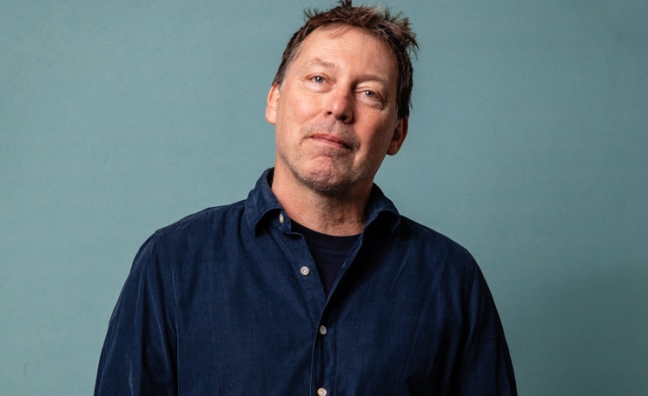
In our Music Week Interview in the current edition with PIAS co-founder and CEO Kenny Gates, he identifies breaking artists as a key issue the industry needs to tackle collectively right now.
“Yes, I am concerned about the noise of streaming,” Gates told Music Week. “Because while streaming has saved us and the industry by creating a value in the catalogue again, when it had completely disappeared until 2008, it’s really hard to break artists these days because streaming takes a lot of time to start creating the revenues that justifies the investment in a new artist. So I am concerned.”
Gates – who spoke exclusively to Music Week following the full acquisition of the indie giant by Universal Music Group – acknowledged that crucial financial boost from streaming for catalogue at a company like PIAS, which has more than four decades of history. In the context of relentless industry decline in the first decade of the 2000s, streaming was a boon to the sector.
“Well, the very simple, primary shift has been that thanks to Spotify, suddenly you had a catalogue having value,” he explained. “You couldn’t manufacture 1,000 The Young Gods or Front 242 CDs from the 1980s [catalogue] because nobody would want them, and they could just find them as pirated MP3s anyway. But suddenly you start dripping your catalogue through streaming, and you get an income from your catalogue that you didn’t expect. And that kind of saved everybody, including us. Suddenly, we realised we had a little bit of a catalogue and that helped us in being able to invest into new artists.”
But there are major challenges from the streaming environment – both internal and external – that can impede the breakthrough of new talent. New artists need space and editorial support on the platforms, which has been a particular issue for independents; and they have to compete with the vast amounts of uploaded content – including fake streams that aren’t legitimate but crowd out new artists.
In the UK, The Last Dinner Party were the only domestic act to secure an album in the year-end Top 100, although there have been recent singles success stories both at home and globally with Music Week cover star Myles Smith, Lola Young, Chrystal (thanks to a remix) and a catalogue title from Imogen Heap.
Streaming takes a lot of time to start creating the revenues that justifies the investment in a new artist
Kenny Gates
PIAS and its partner labels are seeing success with new acts including Kneecap (Heavenly) and Miso Extra (Transgressive). The company has just released the debut album from Heartworms (Speedy Wunderground).
“The DNA of this company is discovering new talent and bringing it to as wide an audience as possible,” said Gates. “That’s super-important to me, that’s not going to change. But [in the current] market – it’s hard to do that. One of the reasons is because there’s too much available. There’s lots of noise, there’s still a lot of streaming which is either illegal or sped-up or just uploaded and creates an encumbrance.
“So it’s very important for the music industry – the majors and the independents together – to just focus on trying to make sure that artists are at the centre of attention and get their fair share of attention and space into the DSPs. And that’s to me a very important aspect of the short, the mid and long term.”
While some in the independent sector have questioned PIAS’ tie-up with Universal Music Group (which is also acquiring Downtown through Virgin Music), and called for truly independent routes to market, Gates said he is more concerned about protecting the overall music ecosystem. He has highlighted the threat from venture capital entering the streaming-led music sector in search of easy returns.
“The big danger of every business really is to trade the short term greed to the long-term stability of an ecosystem,” he said. “Even though I was the guy making T-shirts in the 90s saying ‘indie or die’, I think everything changes all the time. The reason why this company has stayed in business for 42 years must be because it’s been agile enough to adjust to all the changes there’s been.”
Gates highlighted the evolving mix of formats over the past two decades including streaming, MP3, vinyl and CD – with vinyl actually staging a comeback.
“So everything changes all the time, how you sell music, how you market music but also how the market evolves,” he said. “Being able to adjust yourself to changes is super important.”
To read the interview with Kenny Gates covering PIAS’ four decades in business and his reasons for selling to UMG, subscribers can click here.
PHOTO: Louise Haywood-Schiefer
 FOLLOW