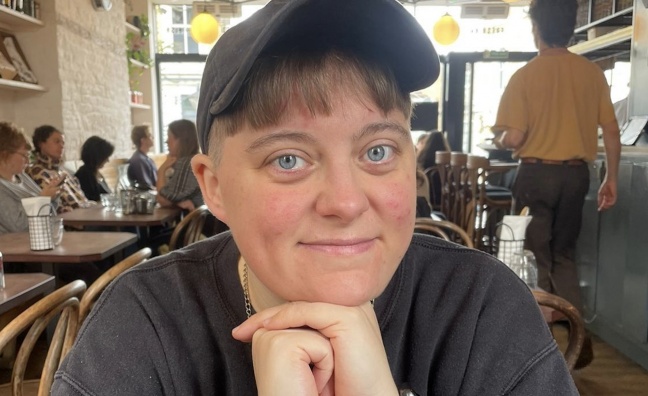
In a special viewpoint piece, Come Play With Me COO Antonia Lines outlines how the industry can create a culture of inclusion in the face of uncertainty...
"As the world keeps turning, decisions are made, policies and laws are adjusted around the world and marginalised communities are pushed further into the margins of public life. It’s becoming increasingly more difficult for people to be themselves, particularly in the workplace.
"Deloitte found that 70% of LGBTQ+ people have hidden who they are at work for fear of discrimination in the workplace and over 70% of people don’t disclose their disability status for the same reason. The “negative effects on well-being, focus, and sense of self; negative effects on performance and commitment at work” were well documented throughout the report, with most respondents reporting these outcomes.
"Further research into the music industry and creative industries as a whole is taking place from a range of organisations; Attitude Is Everything & Black Lives In Music produced a joint report in 2021 titled Unseen. Unheard, that found 81% of Black disabled creators do not feel there is a clear career trajectory or path for them and that over 90% felt that the industry did not support them.
It’s becoming increasingly more difficult for people to be themselves, particularly in the workplace
Antonia Lines, CPWM
"Last year we published the LGBTQ+ Musicians Insight Report in collaboration with the Musicians Union and Help Musicians. Our report found that LGBTQ+ musicians reported significantly higher rates of poor mental and physical wellbeing, with a third of LGBTQ+ musicians experiencing discrimination or sexual harassment.
"Music, art and culture are the ways in which people tell their stories. It’s how people talk about their identity, find their place in the world and connect with others who have experienced similar barriers or difficulties. It’s important then, that marginalised people are able to freely tell their stories and find this connection, whether as colleagues working together with understanding and support or as creatives building audiences and support networks.
"As a creative sector, it is our responsibility to give a diverse range of voices the opportunity to talk about themselves and their experiences and this opportunity should by no means be limited to musicians and creators. The diversity of the music industry is already far behind its corporate counterparts. According to the last UK Music Diversity Report, just over half the industry is made up of women, but this number dwindles when you look into seniority, it plunges even further when you look intersectionally; black women, trans people, those with disabilities, working class women, all vastly under represented across the sector.
"For artists and musicians, building an audience is key, so connecting and collaborating with others, be that playing shows, finding a community or engaging directly with people that hear themselves in the music they create is a huge part of the process. All of this needs to be real human connection, which can only come from relationships built on trust and authenticity. Everyone working behind the scenes within the music industry is just as vital as the musicians we see on stage - they too need to feel they can be their authentic selves in their workplaces, to foster collaboration, work better together and feel confident bringing their unique experiences to their role.
The growth in EDI initiatives across the music industry is a really important step in addressing deep and longstanding inequalities, but real impact relies on EDI programmes reaching the people who need them
Antonia Lines, CPWM
"There are so many brilliant organisations working alongside us to create a culture in the sector that fosters inclusion; Keychange, The GENIE Database, The F List, Saffron Music, all working towards gender equality in music and others like Black Lives in Music, Attitude Is Everything and Good Night Out working on inclusion, safety and representation. We’re also seeing so many key initiatives from larger organisations. I’ve worked with people and culture teams that are building specific staff development opportunities and offering paid internships for young people from marginalised communities. All of these initiatives, alongside smaller networking spaces for young people like Name Game Nights in London and Manchester Music Scene Social, mean that we’re pushing forward collectively for a more diverse, inclusive and equitable industry that everyone can access.
"However, research through UCAS data shows that Black and Asian students are less likely to study a creative subject and that women are over-represented in study, but under employed in the sector when they’ve graduated. Last year Youth Music published ‘A Blueprint for the Future’ report which found that social class was the biggest barrier to young people being able to earn money through music.
"The growth in EDI initiatives across the music industry is a really important step in addressing deep and longstanding inequalities, but real impact relies on EDI programmes reaching the people who need them. At Come Play With Me, we are partnering with a team of researchers from the University of Leeds, led by Professor of Race and Media Anamik Saha and Professor of Media and Communication Bethany Klein, to learn more about how musicians with marginalised identities encounter and experience EDI initiatives. Professor Klein explains, “We know that, following Black Lives Matter and the focus on diversity in the creative industries, attention has turned to lowering barriers for musicians who have been sidelined or excluded. To understand what works and what doesn’t, we need to listen to the musicians targeted by EDI schemes, and that’s what our collaboration with Come Play With Me intends to do."
"With so much work left to be done, funding options tightening and political decisions becoming increasingly hostile, now is the time to think about how to support and champion the organisations and non-profits working tirelessly to make a real change. For anyone thinking EDI initiatives in music are a nice-to-have extra or a convenient tick-box, now is not the time to stand on the sidelines and think all of this will blow over. The organisations trying to deliver real change need your help before even more opportunity is arbitrarily stripped away by the next wave of budget cuts and policy overhauls."